
World Maritime Day 2026: Tracing Indonesia’s Maritime Heritage at Museum Bahari Jakarta
On Friday, 25 September 2026, the team at Anggraeni & Partners (AP) and Champion of People marked World Maritime Day 2026 with an educational visit to Museum Bahari in North Jakarta, managed by Unit Pengelola Museum Kebaharian Jakarta. Under the theme “Jejak Bahari, Masa Depan Maritim” (Maritime Heritage, Maritime Future), the team spent the afternoon walking through four centuries of Indonesian maritime history, from the spice trade to the ships that still sail the archipelago today.
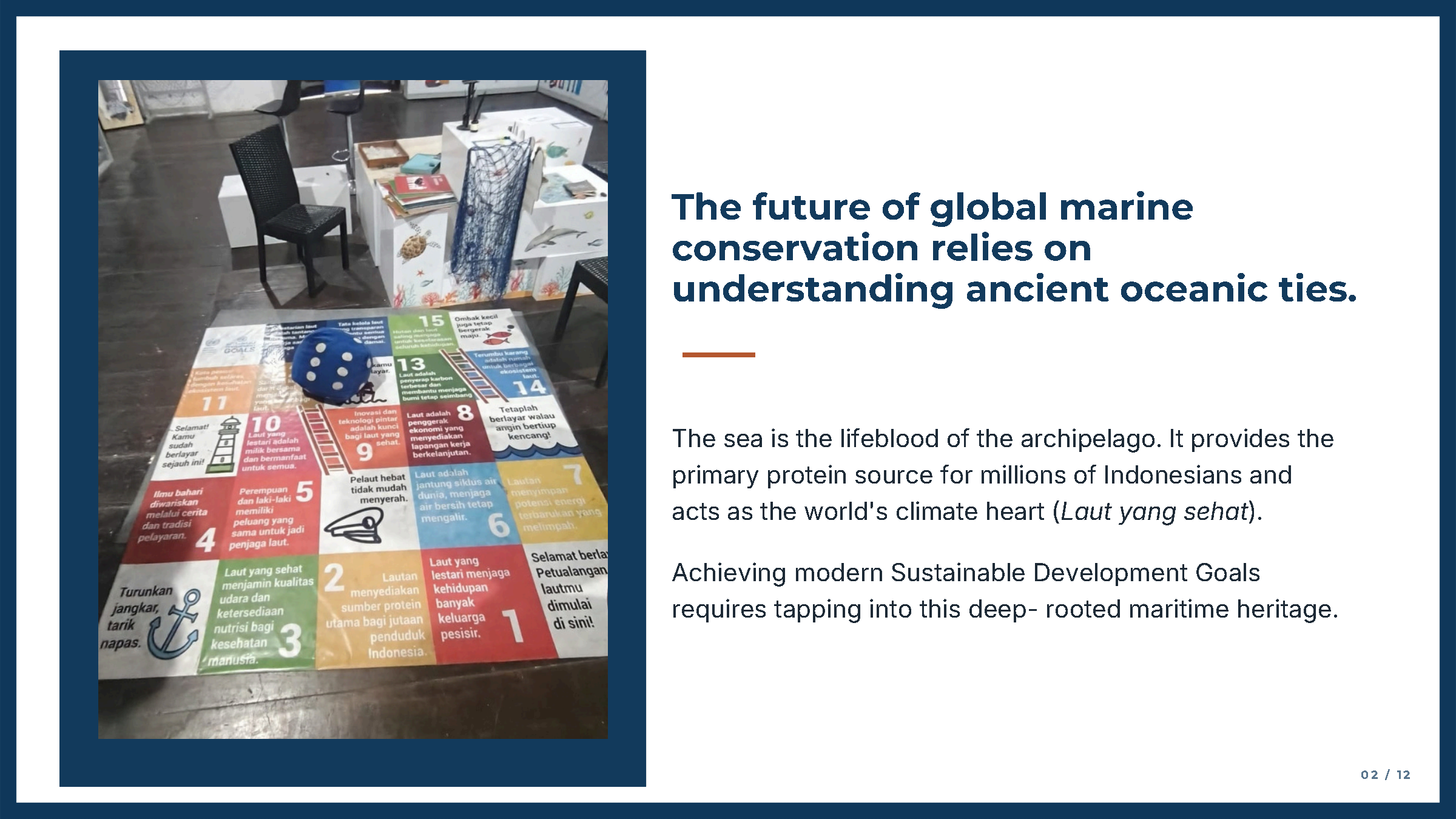
World Maritime Day is observed each year under the International Maritime Organization (IMO). In 2026 it fell on 24 September, and the IMO chose the theme “From Policy to Practice: Powering Maritime Excellence”, which runs through 2027. It calls on countries to turn international maritime rules into national legislation, enforcement and day-to-day operations.
That message sits close to our daily work. AP’s maritime, energy and dispute resolution practice deals with exactly that gap between policy and practice. Contracts, casualties, safety compliance and port disputes are where international conventions meet Indonesian law. Understanding where Indonesia’s maritime story began helps us serve clients who operate in its waters today.
.
The Spice Route: The Trade That Shaped the Archipelago
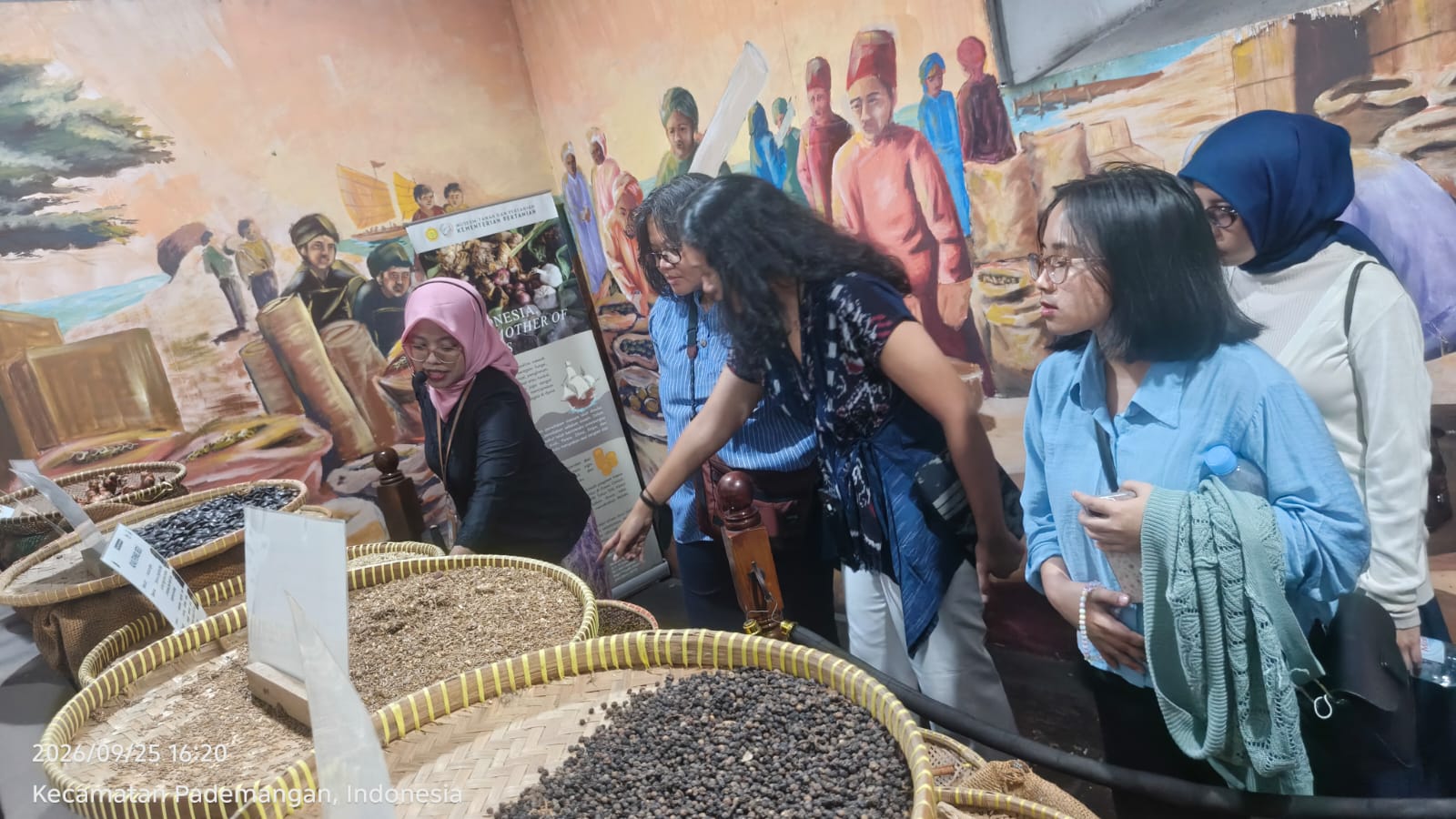
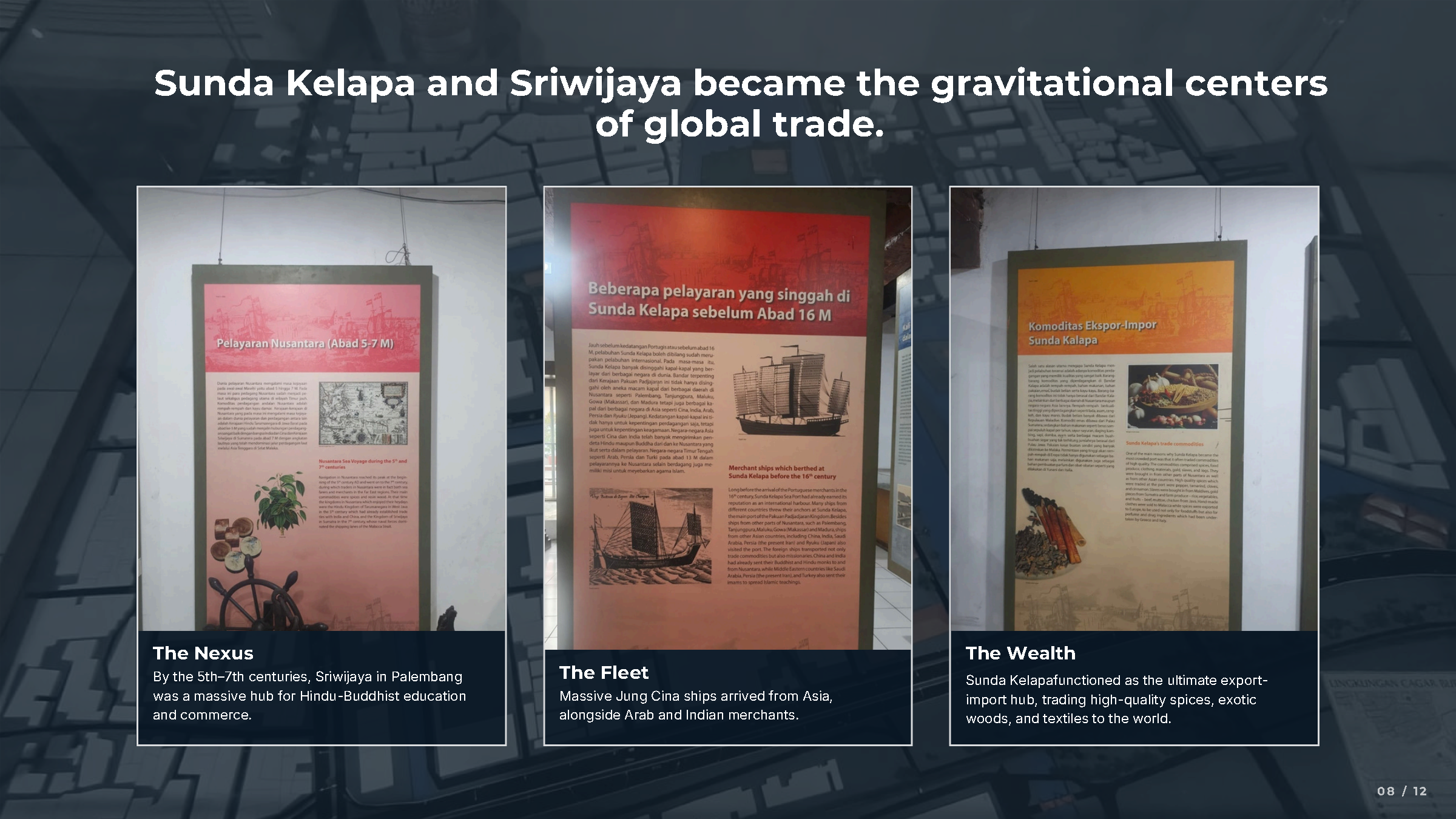
The visit began in the spice route gallery, where sacks of cloves, nutmeg, pepper and cinnamon sit in front of a large mural of a busy harbour market. Our guide explained how these commodities drew traders from India, China, the Arab world and later Europe to the archipelago. Spices were the reason Batavia existed, and the reason the VOC built these warehouses in the first place.
Explorers and the Seas That Connect Us
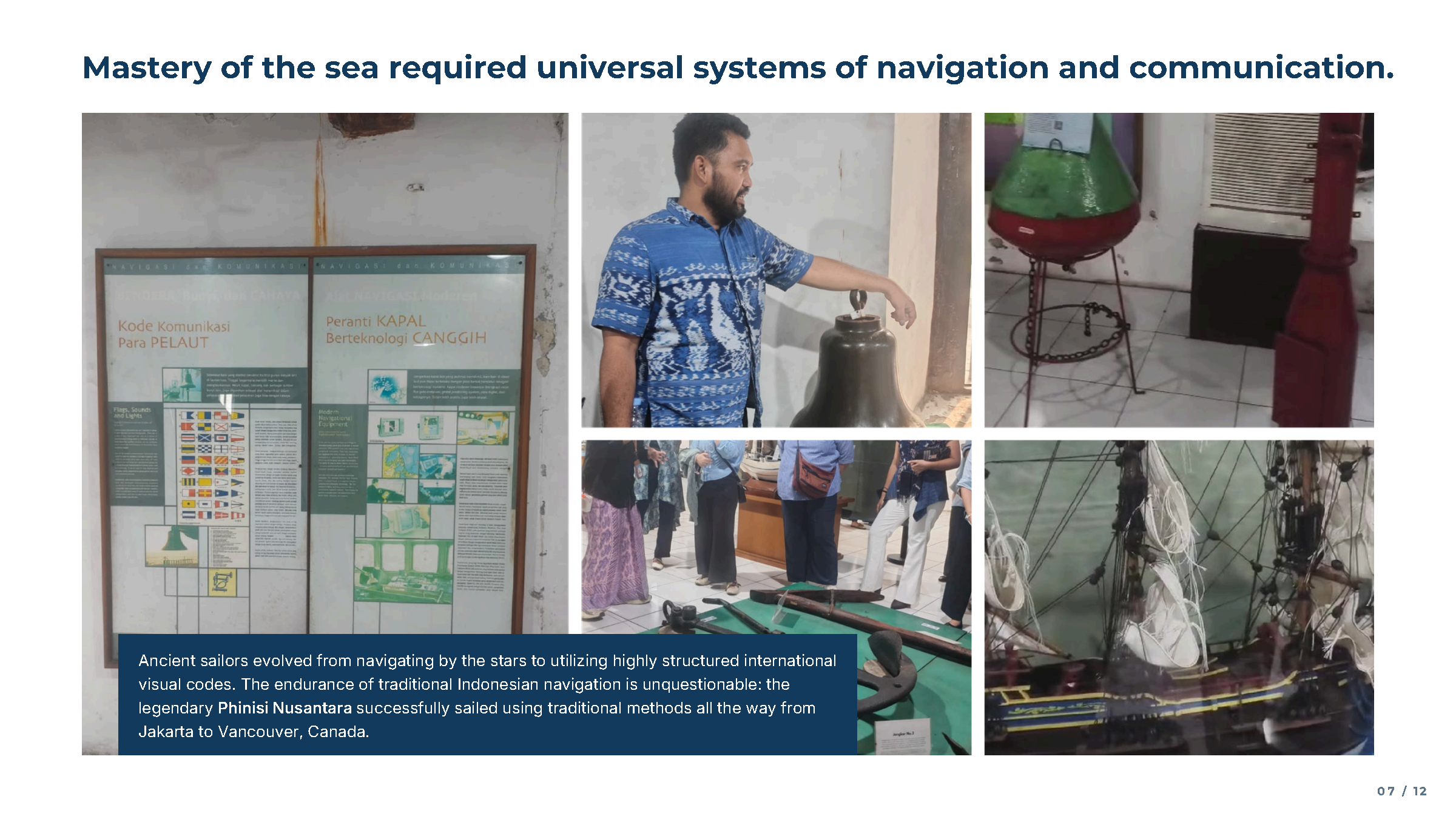
The next galleries present the navigators who crossed the Indian Ocean and beyond, from Ibn Battuta and Marco Polo to the Portuguese and Dutch fleets. The exhibits show a simple truth that still guides maritime law: the sea has always connected people, cargo and legal systems across borders.
Ships of the Nusantara
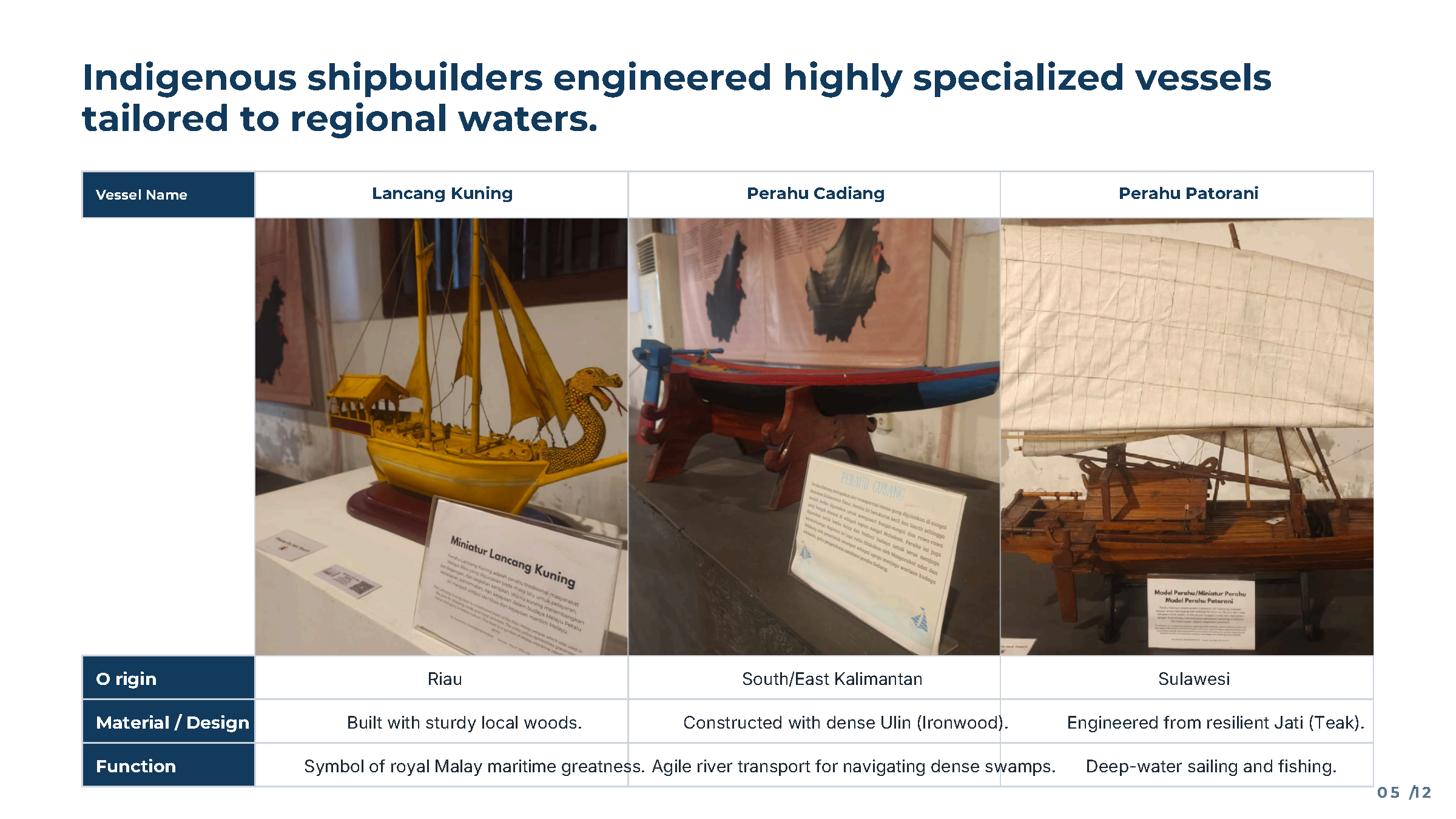
The ship gallery holds scale models of traditional Indonesian vessels, including the pinisi and other regional boats, alongside Dutch East Indies ship replicas. Many of these designs are still built and sailed today. For a team that works with shipowners, charterers and operators, seeing how these vessels evolved gave useful context to modern questions of classification, seaworthiness and safety.
Batavia: A Port City Built on the Water
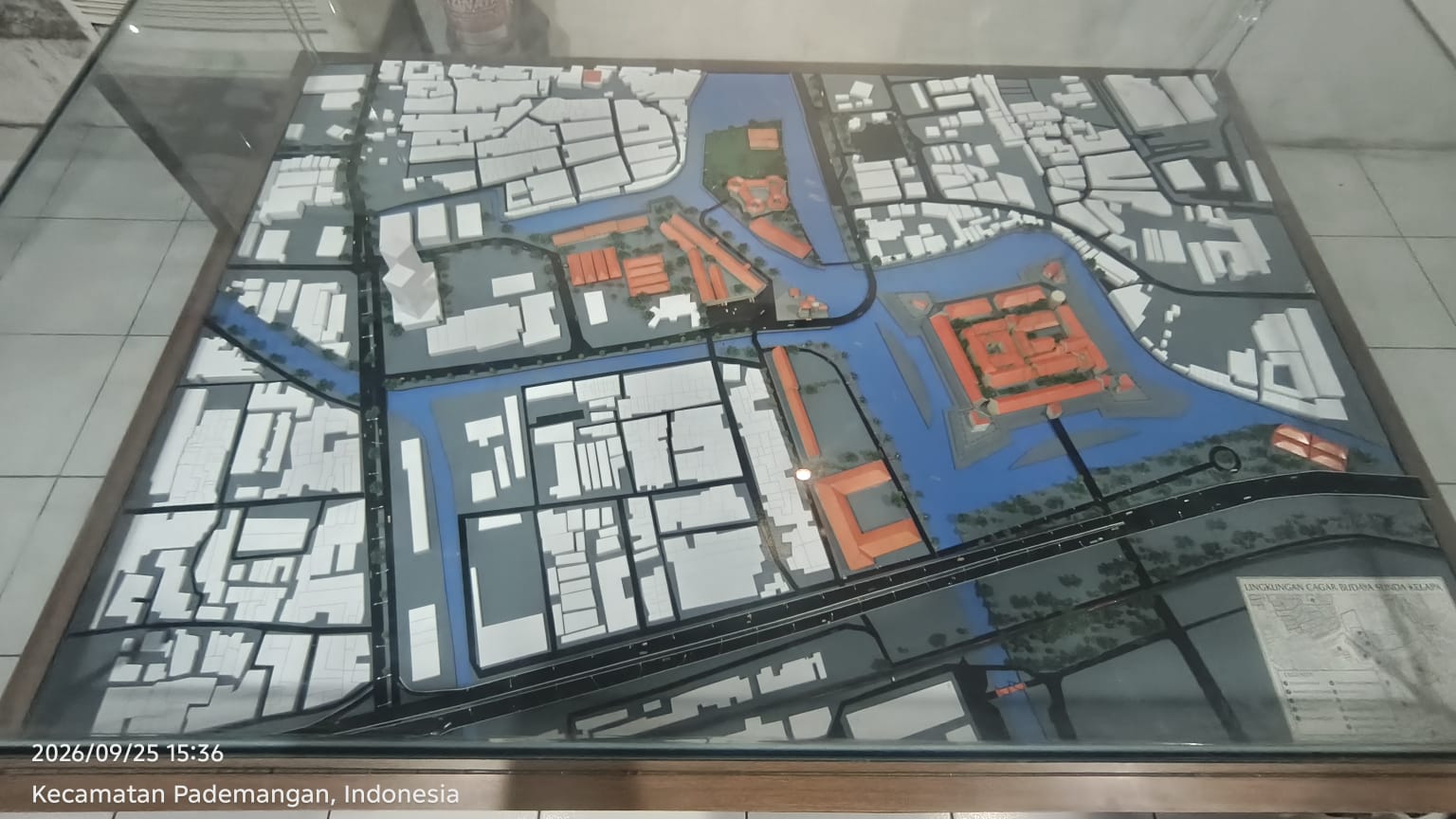
A large scale model of old Batavia shows the walled city, its canals and the harbour that fed it. It is a reminder that Jakarta’s growth has always been tied to its port. The same waterfront now hosts Indonesia’s busiest container terminals and a large share of the country’s trade.
From Heritage to Practice
The visit was more than a team outing. It gave everyone at AP, lawyers and business professionals alike, a shared picture of why Indonesia’s maritime sector matters. It also reflected the IMO’s 2026 message: good maritime policy only works when people understand it and put it into practice.
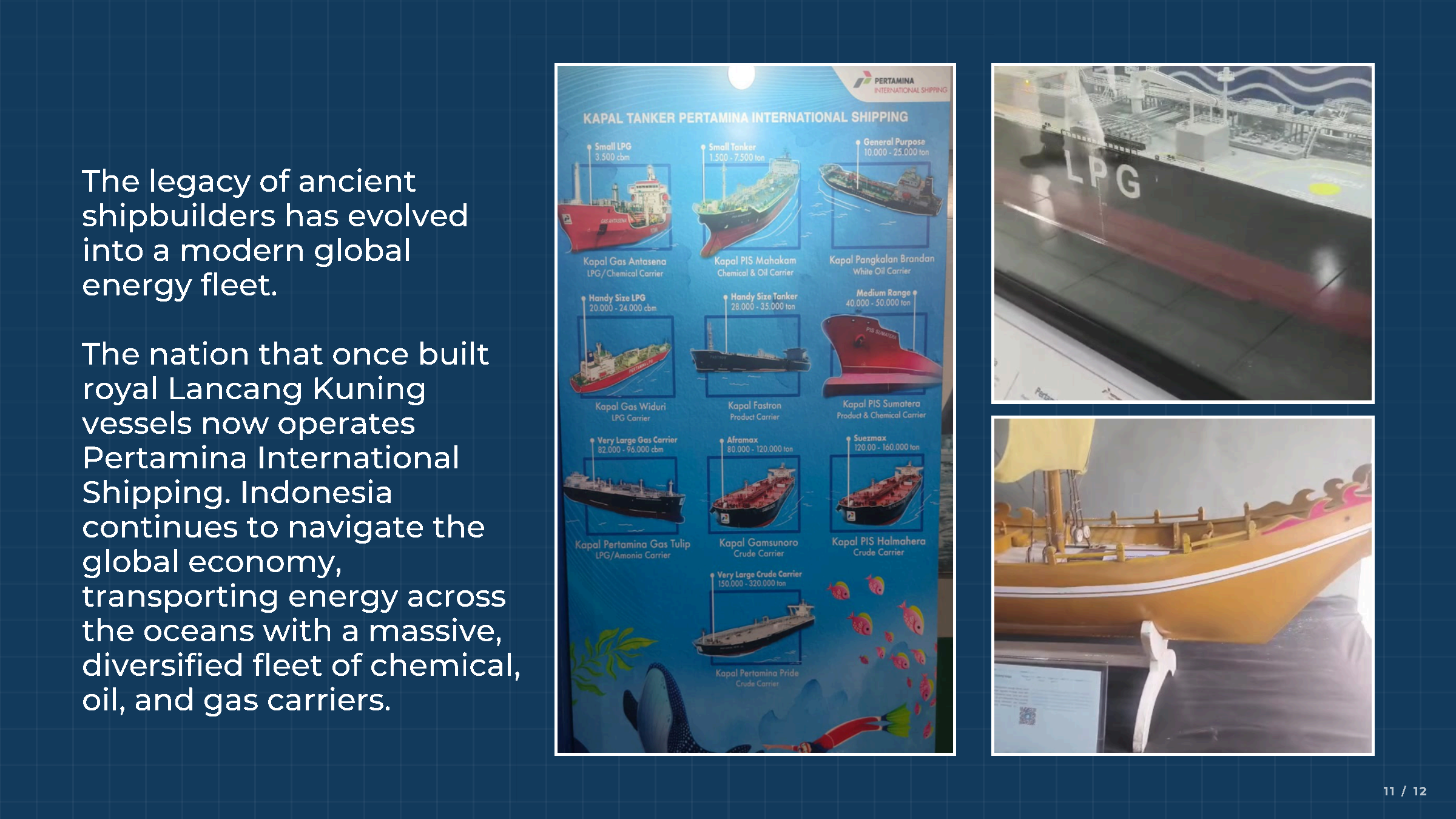
As an archipelagic nation, Indonesia’s future depends on safe, secure and sustainable seas. AP is proud to support that future through our maritime practice and through initiatives that bring our people closer to the history behind it.
Our thanks to the team at Museum Bahari and Unit Pengelola Museum Kebaharian Jakarta for their warm welcome and excellent guides.
Selamat Hari Maritim Sedunia. Happy World Maritime Day.
Frequently Asked Questions
When is World Maritime Day 2026?
World Maritime Day 2026 was observed on Thursday, 24 September 2026. The IMO sets the date each year, usually the last Thursday of September.
What is the World Maritime Day theme for 2026?
The IMO theme for 2026 and 2027 is “From Policy to Practice: Powering Maritime Excellence”. It focuses on turning international maritime rules into national law, enforcement and daily operations.
What is Museum Bahari Jakarta?
Museum Bahari is Jakarta’s maritime museum, housed in former VOC spice warehouses at Sunda Kelapa built between 1652 and 1771. It opened as a museum on 7 July 1977 and is managed by Unit Pengelola Museum Kebaharian Jakarta.
What can visitors see at Museum Bahari?
Visitors can see spice trade exhibits, figures of historic explorers, scale models of traditional Indonesian ships such as the pinisi, navigation instruments and a scale model of old Batavia.
Why did Anggraeni & Partners visit Museum Bahari?
AP visited to mark World Maritime Day and to deepen its team’s understanding of Indonesia’s maritime history, which underpins the firm’s maritime, energy and dispute resolution practice.
Looking for advice on shipping, maritime casualties, energy or maritime disputes in Indonesia? Contact our maritime team.